“I Am a Man of Constant Sorrow” resonates with people because it conveys genuine feelings of hurt, longing, and strength.
The line “I am a man of constant sorrow” is simple but carries deep meaning, and listeners of all ages connect with it. The song talks about leaving home, facing difficult days, and holding on to hope.
Its honest voice makes it feel like someone shares a true story from the heart. That mix of sadness and courage keeps the song meaningful for many and helps it stay alive as new generations continue to relate to its message.
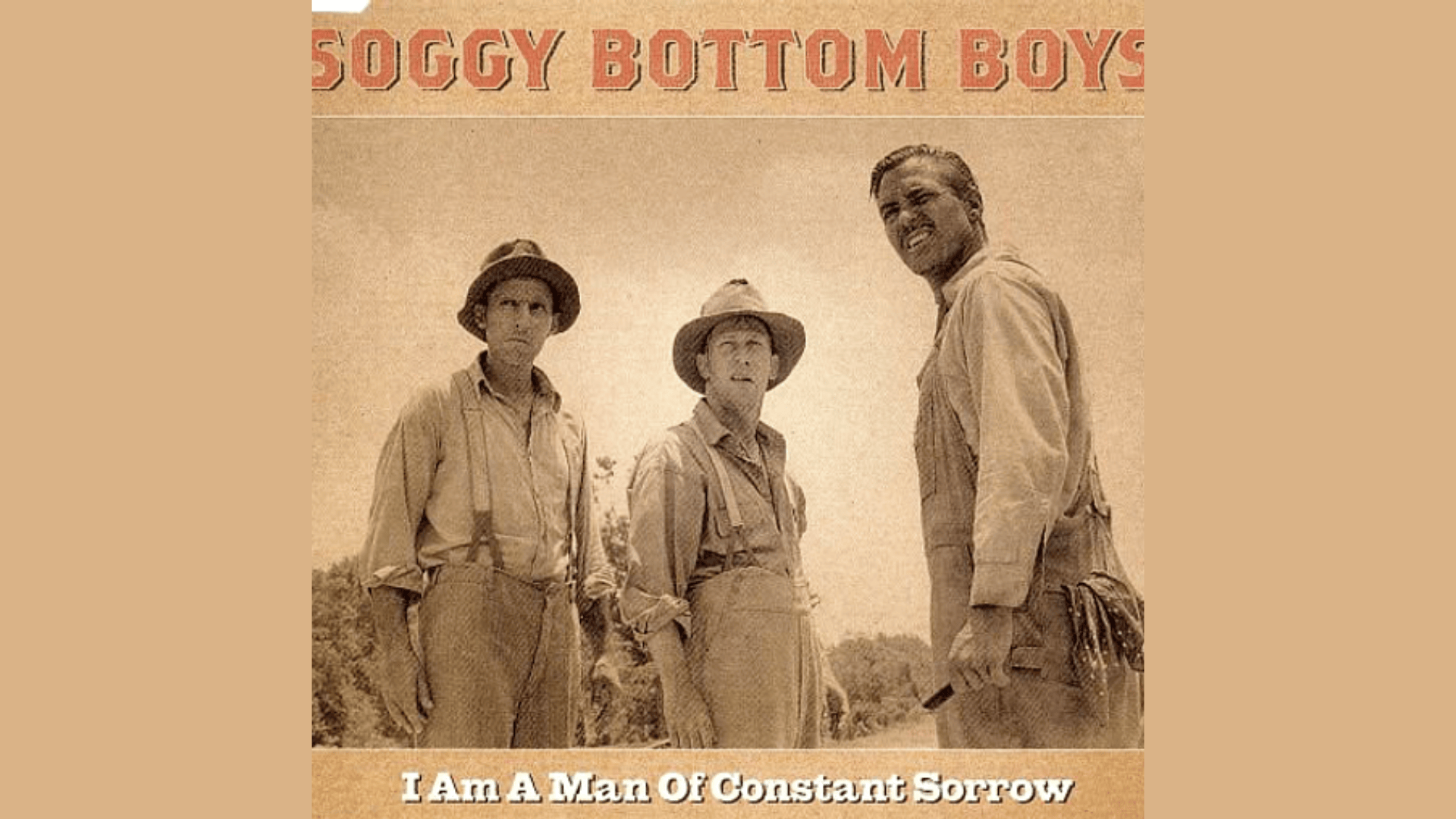
I Am a Man of Constant Sorrow Lyrics by Soggy Bottom Boys
[Delmar & Pete]
In constant sorrow through all his days
[Verse 1: Ulysses Everett McGill]
I am a man of constant sorrow
I’ve seen trouble all my days
I bid farewell to ol’ Kentucky
The place where I was born and raised
[Delmar & Pete]
The place where he was born and raised
[Verse 2: Ulysses Everett McGill]
For six long years I’ve been in trouble
No pleasure here on Earth I’ve found
For in this world I’m bound to ramble
I have no friends to help me now
[Delmar & Pete]
He has no friends to help him now
[Verse 3: Ulysses Everett McGill]
It’s fare thee well, my old true lover
I never expect to see you again
For I’m bound to ride that Northern Railroad
Perhaps I’ll die upon this train
[Delmar & Pete]
Perhaps he’ll die upon this train
[Verse 4: Ulysses Everett McGill]
You can bury me in some deep valley
For many years where I may lay
And you may learn to love another
While I am sleeping in my grave
[Delmar & Pete]
While he is sleeping in his grave
[Verse 5: Ulysses Everett McGill]
Maybe your friends think I’m just a stranger
My face you never will see no more
But there is one promise that is given
I’ll meet you on God’s golden shore
[Delmar & Pete]
He’ll meet you on God’s golden shore
Song Details
It gives a quick look at the key facts about I Am a Man of Constant Sorrow as performed by the Soggy Bottom Boys. It shows who performed it, when it was released, and other interesting info about this famous version.
| DETAIL | INFORMATION |
|---|---|
| Song Title | I Am a Man of Constant Sorrow |
| Performed By | Soggy Bottom Boys (Dan Tyminski, Harley Allen, Pat Enright) |
| Movie/Album | O Brother, Where Art Thou? Soundtrack |
| Release Year | 2000 |
| Genre | Folk/Bluegrass |
It provides a clear overview of why this version of the song is so well-loved and how it fits into the history of Man of Constant Sorrow. It’s a great way to quickly understand what makes this rendition unique and memorable
Other Popular Lyrics Variants: How Lyrics Changed Over Time
Because Man of Constant Sorrow is a folk song, the lyrics have changed many times over the years.
Early versions, including the one linked to Dick Burnett, often used different lines and sometimes had extra verses about hardship and travel. Later recordings, such as those by The Stanley Brothers, added new lyrics and shaped the version many people know today.
Modern takes, including the Soggy Bottom Boys version from the movie, changed the structure again and added call-and-response lines.
Each artist brings a slightly different style, a common feature of folk music. These changes show how the song grows with each generation while still keeping its core message of struggle and hope.
The Meaning Behind the Words: What Do the Lyrics Say?
The lyrics of “Man of Constant Sorrow” speak ofhardship, loss, and the search for peace. Lines like “seen trouble all my days” show a life filled with struggle, while “farewell to old Kentucky” reflects the sadness of leaving home behind.
The singer’s lonely path is clear as he travels with no one to depend on. When he says, “perhaps I’ll die upon this train,” it hints at fear and mortality.
The final promise to “meet you on God’s golden shore” offers hope and reunion, with different versions of the song highlighting these feelings – some more sorrowful, others gently hopeful.
Man of Constant Sorrow Versions and Covers
“Man of Constant Sorrow” didn’t stay confined to one generation – it evolved, traveled, and resurfaced countless times. From early folk recordings to Hollywood breakthroughs, each version helped shape the song’s legacy.
1. The Soggy Bottom Boys – O Brother, Where Art Thou? Version
The Soggy Bottom Boys’ take became widely popular after the 2000 film, bringing the song to a new audience. Dan Tyminski’s vocals give it a soulful and heartfelt sound.
The mix of simple instruments and harmonies makes the lyrics easy to follow. Many people recognize this version instantly and often sing along, especially the line “I am a man of constant sorrow,” which defines its modern appeal.
2. Bob Dylan’s Early Folk Recording
Bob Dylan recorded “Man of Constant Sorrow” in 1961 for his 1962 self-titled debut album, helping fuel the folk revival. His raw, solo acoustic performance delivers a haunting, personal sorrow.
Dylan rewrote key lyrics – swapping “ol’ Kentucky” for “Colorado” and adding lost-love lines (e.g., “If I’d known how bad you’d treat me / Honey, I never would have come”) – giving it a fresh, bluesy edge while honoring its roots.
3. Home Free – A Cappella Country Version
Home Free’s version strips the song down to voices and beat‑box, offering a rich a cappella take on “Man of Constant Sorrow.” Their harmonies and vocal percussion give the song a different kind of warmth and strength.
The mood is intimate yet powerful – a fresh interpretation that honours the song’s deep roots while bringing a modern country‑vocal twist. A great pick if you like harmony‑led arrangements rather than instrument-driven ones.
Frequently Asked Questions (FAQs)
Who Originally Wrote “Man of Constant Sorrow”?
The song is attributed to Dick Burnett, a blind fiddler from Kentucky, around 1913.
What Genre Is “Man of Constant Sorrow”?
It is a traditional American folk and bluegrass song.
Why Did The Soggy Bottom Boys Version Become Famous?
It gained popularity through the 2000 movie O Brother, Where Art Thou?, reaching a modern audience.
Are There Differences Between Folk and Movie Versions?
Yes, the movie version added call-and-response lines and rearranged verses compared to traditional folk versions.