
House music has taken over dance floors worldwide since it started in Chicago decades ago. From underground clubs to massive festivals, the types of house music continue to evolve, inspiring new generations of fans.
If you love deep, soulful melodies or energetic festival bangers, there’s a house music style for everyone.
Understanding different types of house music helps you find exactly what moves you and connects you to this incredible musical culture.
You’ll learn about the exciting world of house music and see which subgenres match your vibe perfectly. Get ready to learn about the sounds that keep the world dancing!
What is House Music? Origins and Core Elements
House music is an electronic dance music genre that was born in Chicago during the early 1980s. It gets its name from the Warehouse, a famous nightclub where DJ Frankie Knuckles played this new sound.
House music is known for its steady 4/4 beat, which means four beats in every measure, creating a pulse that’s perfect for dancing.
The music uses synthesizers, drum machines, and repetitive rhythms that build energy throughout each track.
What started in Chicago’s underground clubs quickly spread across the world, becoming one of the most influential music styles ever created. Today, house music continues to shape popular music and club culture globally.
Classic and Traditional Subgenres of House Music

House music’s roots run deep, with classic styles that laid the foundation for its evolution. These traditional subgenres from the 1980s created the blueprint for everything that came after.
Here are the foundational types of house music that shaped electronic dance culture.
1. Chicago House
Chicago House emerged in the early 1980s, following the decline of disco. DJs at the legendary Warehouse club created this new sound using TR-808 and TR-909 drum machines.
The music blended disco and funk samples with powerful gospel-style vocals, creating an energetic and soulful atmosphere. Chicago House laid the foundation for all subsequent house music subgenres.
2. Jackin’ House
Jackin’ house is a groove-focused style rooted directly in Chicago house traditions. It emphasizes funky basslines, swinging drums, and a strong sense of rhythm designed to make dancers “jack” their bodies to the beat.
This style keeps house music’s raw, dance-driven spirit alive while remaining a staple in underground club scenes. Many modern DJs favor jackin’ house for its infectious grooves and timeless dancefloor appeal.
3. Deep House
Deep House emerged in the mid-1980s as a smoother, more relaxed version of Chicago House. It features jazzy chords, warm basslines, and tempos of 120-125 BPM. Perfect for emotional late-night vibes.
Pioneer Larry Heard created the classic sound, while modern artists like Nora En Pure have updated it. Deep House delivers emotional vibes perfect for both dancing and headphone listening.
4. Tropical House
Tropical House emerged in the mid-2010s as a softer, melodic offshoot of deep and progressive house. It features relaxed tempos, warm synths, and tropical instruments like steel drums, marimbas, and flutes.
Popularized by artists such as Kygo, tropical house became known for its sunny, beach-ready sound that works just as well on the radio as at festivals, appealing to both casual listeners and dance music fans.
5. Acid House
Acid House emerged in Chicago during the late 1980s and quickly gained prominence in the UK rave scene. This subgenre is famous for its distinctive “squelchy” basslines created by the Roland TB-303 synthesizer.
The sound features trippy loops and hypnotic patterns that create a psychedelic atmosphere. Acid House revolutionized club culture in the UK, sparking massive warehouse parties and outdoor raves.
6. Garage House (US Garage)
Garage House originated in the 1980s in New York City at the legendary Paradise Garage club. This style features soulful vocals, organ chords, and bouncy beats that bridge disco, house, and early R&B.
US Garage later influenced UK Garage, which developed its own distinct sound. The genre celebrates vocal performance and musical richness, creating an uplifting atmosphere that honors disco’s legacy.
7. Funky House
Funky House emerged in the late 1990s across the UK and US club scenes. This feel-good style samples classic disco and funk tracks, creating upbeat, bassy grooves that make people move.
Funky house connects directly to disco’s golden era while updating it for modern dancefloors. The style often overlaps with vocal house, combining catchy melodies with soulful singing.
8. Disco House / Nu-Disco
Disco House revives the sounds of the 1970s and early 1980s disco with modern house production. It features funky basslines, string sections, and uplifting grooves designed for feel-good dancing.
Nu-Disco is a modern evolution that blends disco influences with electronic, indie, and synth-pop elements. Artists like Purple Disco Machine and Folamour helped bring disco-inspired house back into mainstream club culture.
9. Soulful House
Soulful House evolved from garage and deep house, bringing emotional depth to the dancefloor. This style features lush themes, spiritual vibes, and strong R&B roots that create a reflective atmosphere.
Soulful house is deeply rooted in Black music culture, blending club-friendly beats with meaningful lyrics and rich melodies. It offers both emotional connection and danceability for listeners seeking substance alongside groove.
10. Vocal House
Vocal House has existed since Chicago house began, placing emotive singing at the center of tracks. This style features powerful gospel and soul-influenced vocals that create radio-friendly anthems.
Vocal house gave us legendary diva-led tracks that became timeless classics, perfect for sing-along moments on the dancefloor. These songs combine house music’s driving beats with memorable lyrics that connect emotionally.
11. French House (Filter House)
French House exploded in the 1990s in France during the Daft Punk era, revolutionizing electronic music worldwide. This style uses filtered disco loops, funky grooves, and vintage samples to create a retro yet futuristic sound.
Artists like Daft Punk and Stardust became global icons with this approach. French house celebrates disco’s golden age while transforming it through creative filtering techniques.
12. Italo House
Italo House emerged in the late 1980s and early 1990s in Italy, bringing emotional piano riffs and euphoric chords to dance music. This uplifting style features beautiful melodies that create feelings of joy and nostalgia.
Italo house heavily influenced the European rave era, spreading positive energy across clubs and festivals. The genre remains beloved by nostalgic fans who appreciate its emotional depth and timeless atmosphere.
13. Ghetto House
Ghetto House developed in the 1990s in Chicago through labels like Dance Mania. This raw, underground style features fast tempos above 135 BPM and often includes raunchy lyrics with minimal production.
Despite its stripped-down style, ghetto house offers fierce dancefloor energy. It was a precursor to juke and footwork, influencing Chicago’s experimental dance scene with its rebellious underground vibe.
14. Tribal House
Tribal House developed in the 1990s club scene with a focus on powerful percussion. This drum-heavy style features dense layers of primal rhythms and chants that create intense energy on the dancefloor.
Tribal house became a favorite for both club nights and beach parties worldwide. While it overlaps with Afro house in its percussion focus, tribal house typically emphasizes raw, driving rhythms over melody.
15. Progressive House
Progressive House emerged in the 1990s in Europe from a fusion of trance and house music. The style features long builds and sweeping melodic arcs that create emotional experiences.
Pioneers like Sasha and Digweed popularized the genre, while labels like Anjunadeep maintain it. Classic progressive house differs from modern EDM, which uses the name but features louder, simpler drops.
16. Latin House
Latin house combines traditional Latin American rhythms with electronic house beats, creating an energetic and celebratory fusion. This style incorporates salsa, cumbia, and Afro-Latin percussion alongside Latin vocals and instruments like congas and timbales.
Pioneers such as Louie Vega, through his work with Masters at Work, played a key role in shaping Latin house during the 1990s. Latin house continues to connect cultures through rhythm and dance.
Modern and Evolved Subgenres of House Music
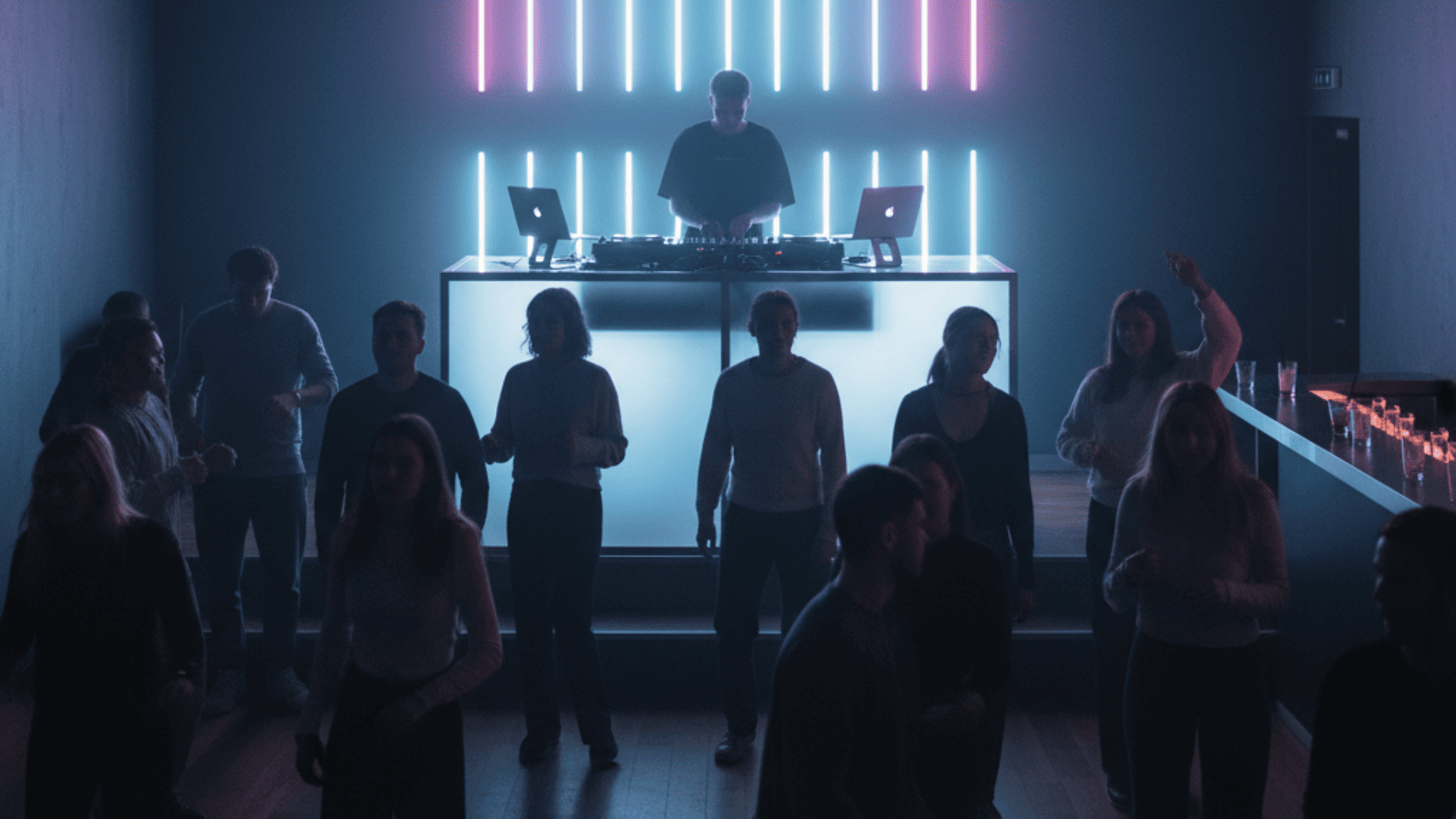
As house music evolved, new subgenres emerged with fresh sounds and modern production techniques. These contemporary styles took the classic foundation and pushed it in bold new directions.
17. Tech House
Tech House developed in the 1990s across the UK and Europe, blending techno’s mechanical drums with the groove of house music. This minimal, club-focused style has become a festival staple worldwide.
Unlike the warmth of deep house or the pure intensity of techno, tech house sits perfectly in between. Modern variations include minimal tech house, which keeps things even simpler and more hypnotic for the dancefloor.
18. Electro House
Electro House emerged in the early 2000s, characterized by gritty synthesizers, loud drops, and big-room energy, which is perfect for massive festivals. This style became central to the EDM boom of the 2010s, dominating main stages worldwide.
While it shares the “electro” name with older 1980s styles, modern electro house sounds completely different with its aggressive, high-energy approach designed for huge crowds.
19. Future House
Future House appeared in the 2010s across the UK and Europe with a fresh, modern sound. It features metallic drops, FM synthesizers, and bouncy basslines that instantly get crowds moving.
Future house blends deep house’s smooth vibes with festival-friendly structures and big drops. Unlike bass house’s aggressive wobbles, future house keeps things lighter and more melodic, creating an uplifting atmosphere.
20. Slap House
Slap house is a modern commercial style that rose to popularity in the late 2010s. It features deep bass, minimal drops, and slowed-down house tempos combined with catchy pop vocals.
Often used in radio hits and streaming-friendly tracks, slap house bridges the gap between mainstream pop and underground house influences. Viral tracks and social media exposure boosted its popularity.
21. Bass House
Bass House exploded in the late 2010s from the UK and US underground scenes. This aggressive style features wobbling basslines and a dubstep-inspired feel while keeping house music’s steady 4/4 beat.
Bass house delivers intense breakdowns and dancefloor aggression that hits harder than most house subgenres. It perfectly combines house music’s groove with the raw bass power that dubstep fans love.
22. Lo-Fi House
Lo-Fi House emerged in the mid-2010s with a DIY internet aesthetic that embraced imperfection. This style features dusty, raw textures, tape hiss, and slow grooves that create a relaxed atmosphere.
Lo-fi house works perfectly as mood music for studying, working, or chilling at home. It shares similarities with YouTube’s popular “study beats” genre, bringing house music into everyday life beyond the dancefloor.
23. Afro House
Afro house is widely described as emerging in South Africa during the 1990s, bringing African rhythms and musical traditions into electronic dance music. The style features tribal percussion, spiritual vocals, and warm grooves that create a deep emotional connection on the dancefloor.
Afro house shares deep house’s soulful spirit while adding culturally rich African influences. The subgenre expanded globally in the 2000s and has continued to grow in popularity worldwide.
24. Juke/Footwork
Juke and footwork first appeared in Chicago in the late 1990s, evolving from ghetto house and the city’s underground dance culture. This high-energy style features rapid tempos between 150 and 160 BPM, stuttered samples, and chopped vocal loops.
Footwork is closely tied to competitive dance battles, where dancers perform fast, intricate movements. The genre pushes the limits of house music’s tempo while maintaining its Chicago roots.
25. Microhouse
Microhouse originated in Germany during the late 1990s with a focus on tiny sound details. This glitchy, minimal style emphasizes small clicks, pops, and subtle textures that reward careful listening.
Microhouse is a close cousin to minimal house but features more experimental, artsy production. The genre works perfectly for headphone listening, where fans can appreciate all the intricate sonic details.
26. Minimal House
Minimal House emerged in the early 2000s in Europe, particularly in Berlin’s underground scenes. This stripped-down style features sparse grooves, subtle changes, and minimal textures that follow a “less is more” philosophy.
Minimal house removes unnecessary elements to focus on rhythm and space. The genre became popular in after-hours clubs and minimal techno events, where its hypnotic simplicity keeps dancers engaged.
27. Melodic House
Melodic House is a modern evolution of progressive and deep house styles. This cinematic genre features emotional melodies, deep basslines, and atmospheric soundscapes that tell stories through music.
Artists like Lane 8 and Ben Böhmer exemplify this sound perfectly. Melodic house works beautifully for storytelling DJ sets, where tracks flow together to create emotional arcs that captivate listeners throughout the night.
28. UK Garage-Influenced House (UKG Revival House)
UK garage-influenced house evolved alongside UK garage in the 2010s, blending classic house structures with garage-style shuffle rhythms, basslines, and vocal-led arrangements. The sound balances club energy with melodic accessibility.
Artists like Disclosure are often described as UK garage and house-adjacent rather than fitting into a single genre. This crossover style has become a defining part of modern UK dance music.
29. Big Room House
Big Room House exploded during the early 2010s EDM boom, designed for massive festival crowds. This style features giant drops, simple melodies, and anthemic builds that create unforgettable mainstage moments.
Festivals like Tomorrowland became synonymous with this sound. Big room house uses powerful synthesizers and huge basslines to energize tens of thousands of people at the world’s most significant electronic music events.
30. Hard House
Hard house developed in the 1990s as a faster, more aggressive style of house music. It features pounding kicks, distorted basslines, and high-energy synth stabs, often sitting between house and hard dance.
The genre gained popularity in the UK and European club scenes, especially in high-intensity rave environments. Its driving energy and relentless tempo made it a favorite for peak-time DJ sets and late-night club sessions.
Why Subgenres Even Matter for DJs, Listeners & Producers?
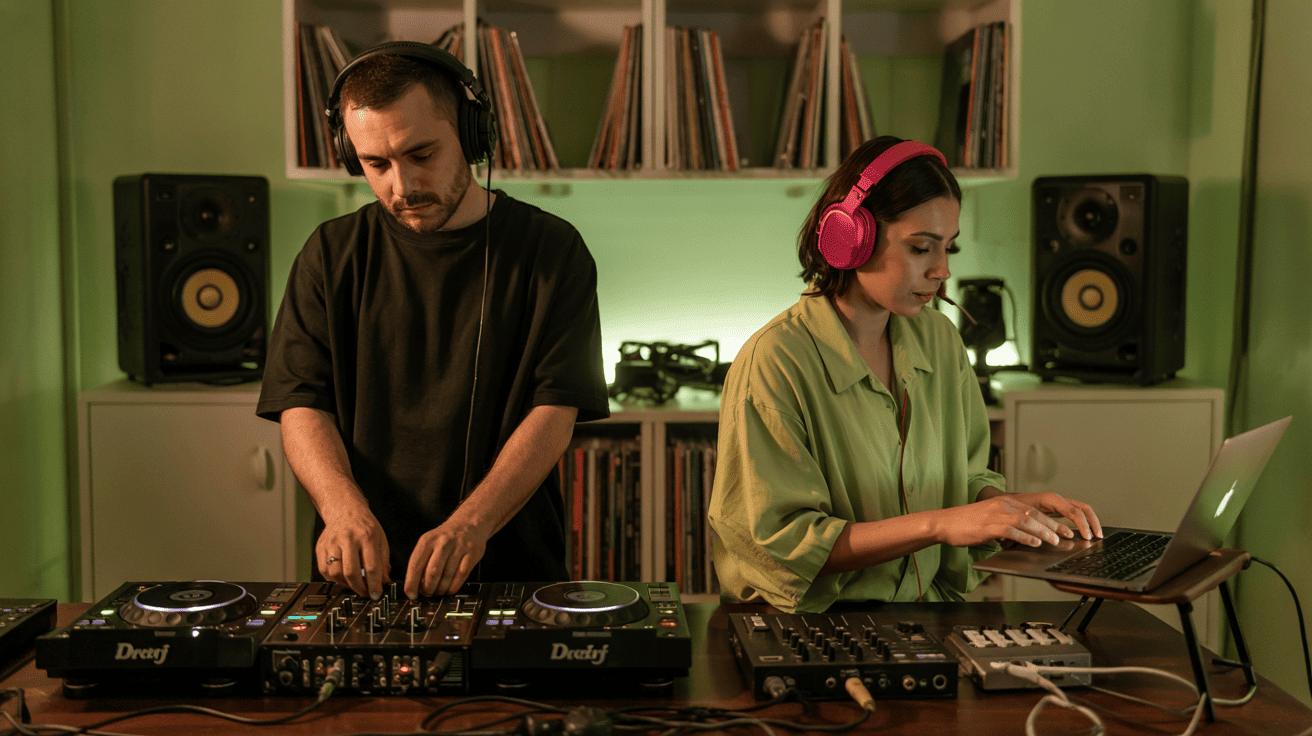
Understanding house music subgenres matters for everyone in the dance music community. DJs use subgenres to build smooth sets and create perfect transitions between tracks with similar energy and tempo.
Listeners can refine their taste by identifying exactly which styles they love most, making it easier to find new music.
Producers choose their creative tools and sound palette based on the subgenre they’re working in, whether that’s a TB-303 for acid house or jazz chords for deep house.
Today’s music scene is evolving with hybrids and genre-blending experiments. Artists blend subgenres, creating new sounds that push house music forward while respecting its history.
That’s a Wrap
Now you know about the diverse types of house music that exist today! From Chicago’s original sound to modern melodic styles, each subgenre brings something special to the dance floor.
The types of house music continue to grow as artists experiment and blend different styles together.
For DJs, producers, and music lovers, understanding these subgenres helps you appreciate the rich history and exciting future of house music.
Start finding these different sounds and identify your favorites. Which house music subgenre speaks to you most?
Share your thoughts in the comments below and let me know what you’re listening to right now!