Down in the Valley, also known as “Birmingham Jail,” is a beloved traditional American folk song.
The song has roots in Southern and Appalachian folk traditions and was passed down orally through rural communities before being first collected in written form around 1909-1910 and later recorded commercially in the 1920s.
Its gentle, haunting lyrics speak of love, longing, and separation – typically a prisoner in Birmingham Jail writing to his sweetheart – and beautifully reflect the emotions of small-town and country life.
The song was first recorded commercially in 1927 by Tom Darby and Jimmie Tarlton and was recorded by various artists in the following decades, gradually gaining popularity.
During the 1950s–60s folk revival, artists recorded and performed the song, bringing it to new audiences.
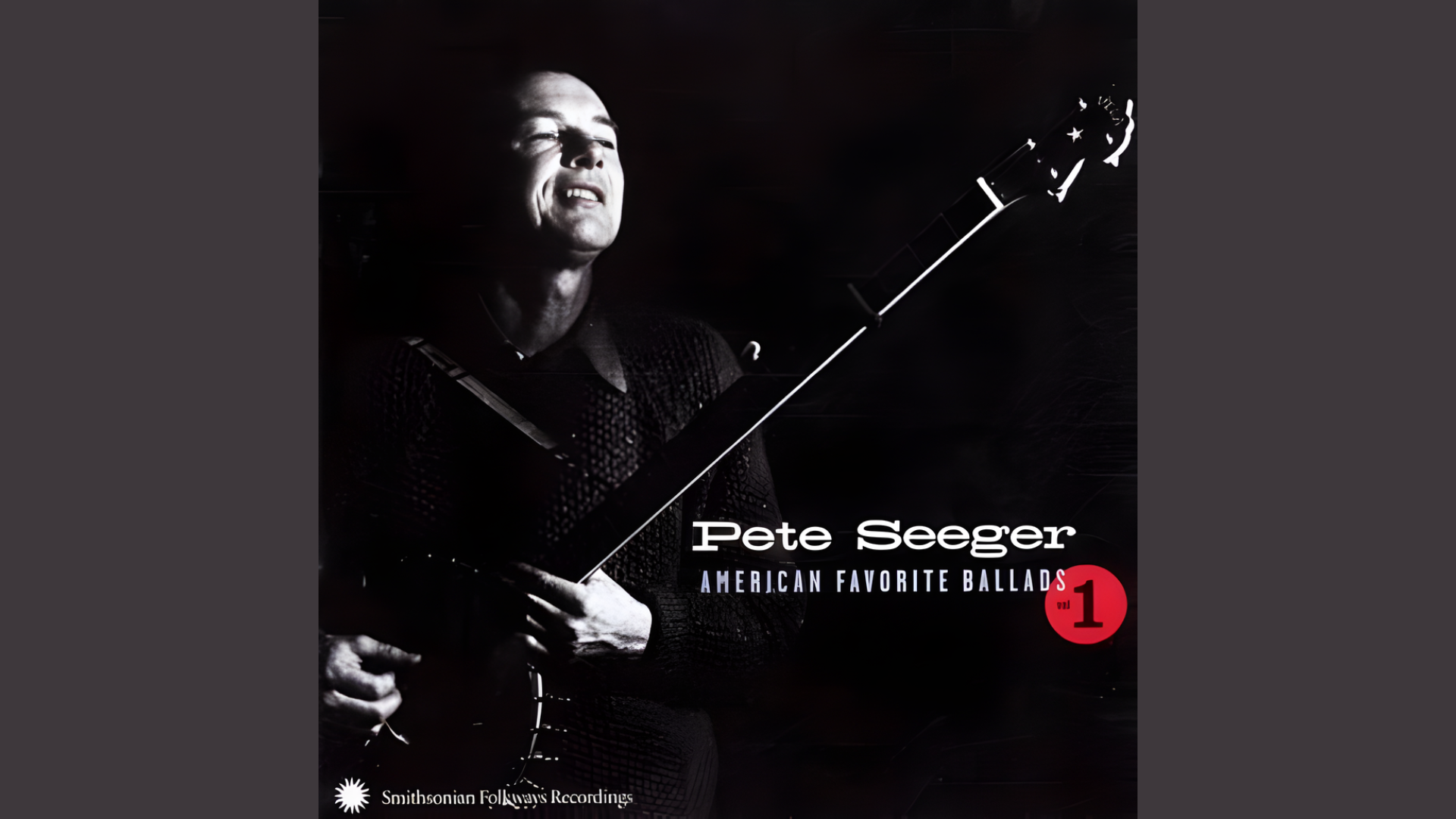
Down in the Valley Lyrics by Pete Seeger
Down in the valley valley so low
Hang your head over hear the wind blow
Hear the wind blow dear hear the wind blow
Hang your head over hear the wind blow
Roses love sunshine violets love dew
Angels in heaven know I love you
Know I love you dear know I love you
Angels in heaven know I love you
If you don’t love me love whom you please
Throw your arms ’round me give my heart ease
Give my heart ease love give my heart ease
Throw your arms round me give my heart ease
Build me a castle forty feet high
So I can see him as he rides by
As he rides by love as he rides by
So I can see him as he rides by
Write me a letter send it by mail
Send it in care of Birmingham jail
Birmingham jail love Birmingham jail
Send it in care of Birmingham jail
Song Details
Here are some important details about “Down in the Valley,” including its origins, performer, and style. This information helps you understand the song better and see why it has remained popular over the years.
| CATEGORY | INFORMATION |
|---|---|
| Song Title | Down in the Valley |
| Writer | Traditional, arranged by Pete Seeger |
| Performer | Pete Seeger |
| Release Year | 1950s (folk revival era) |
| Album | Various folk collections |
| Genre | Folk |
These details show how the song has been passed down through folk tradition and has become widely known through Pete Seeger. Knowing the key, genre, and history can make it easier to sing along or play on an instrument.
Understanding the Meaning Behind the Lyrics
The lyrics of “Down in the Valley” tell a simple but emotional story that touches on love, longing, hope, and struggle.
The word “valley” often conveys a low point or a sense of sadness, underscoring the challenges the singer faces. Roses and violets symbolize love and affection, adding a gentle, caring feeling to the song.
The letters mentioned in the song show how people stay connected across distances, even when they are apart.
These simple images make the song easy to understand and relate to. Even today, listeners connect with its honest emotions and heartfelt message, which is why the song continues to be sung and remembered by many.
How Have Different Artists Interpreted the Song Over Time?
Over time, “Down in the Valley” has been sung in many different ways, with lyrics and melodies changing depending on the region and performer.
Early recordings by Lead Belly show a raw, acoustic style that reflects its Southern folk roots. Solomon Burke added a soulful touch, giving the song a smooth, emotional feel.
Other folk revival artists in the 1950s and 1960s also gave the song their own style, sometimes changing small words or notes while keeping the story the same.
Pete Seeger’s version is considered the classic folk reference because he kept the lyrics close to the traditional form and used a simple, clear style that many people could easily sing along with.
Famous Recordings and Performances of Down in the Valley Song
Down in the Valley has been sung by many artists, each adding their own style. Some versions stayed close to the original folk sound, while others added rhythm, soul, or melody.
1. Lead Belly’s Early Folk Recording
Although the first commercial recording was made in 1927 by Tom Darby and Jimmie Tarlton, Lead Belly later recorded it, adding his raw acoustic style and sometimes altering lyrics, such as changing “Birmingham Jail” to “Shreveport Jail.”
His voice clearly conveys the emotion of the lyrics. This recording captures the song’s Southern folk roots and its connection to work songs and oral tradition.
2. Solomon Burke’s Soulful Adaptation
In 1962, Solomon Burke released a song titled ‘Down in the Valley,’ which drew inspiration from the traditional American folk song of the same name. While Burke’s version borrowed some lyrics and melodic elements from the original tune, it was not a direct cover.
Instead, it was credited as a new composition by Burke and his co-writer, blending elements of rhythm and blues with folk influences to create a distinct song for contemporary audiences.
3. Burl Ives’ Gentle Folk Version
Burl Ives recorded “Down in the Valley” with soft vocals and simple acoustic guitar, preserving the traditional folk sound. His clear singing made the lyrics easy to understand, helping listeners connect with the story.
Many mid‑20th‑century folk-pop artists, including Burl Ives, recorded their own interpretations, helping the song remain part of America’s folk repertoire.
Musical Structure and Tips for Singing or Playing
The song Down in the Valley is easy to sing and play because of its simple melody and steady rhythm. It works well for beginners and experienced musicians alike. Here are some tips to help you perform the song:
- Simple Melody: The tune is easy to follow and repeats often, making it perfect for singing along.
- Steady Rhythm: Keep a slow, even beat to match the traditional folk style.
- Guitar Tips: Use basic chords like C, G, and F for Pete Seeger’s version.
- Piano Tips: Play the melody with your right hand and simple chords with your left.
- Choosing a Version: Pick the version that matches your voice or instrument skill level, whether traditional or modern.
With these tips, you can play or sing Down in the Valley confidently and enjoy the song’s story. Practicing the simple melody and rhythm will help you feel more comfortable with the song.
Frequently Asked Questions (FAQs)
Who Originally Wrote “Down in the Valley”?
It is a traditional American folk song with unknown authors, passed down orally in the early 1900s.
How Did the Song Get the Name “Birmingham Jail”?
The song is also called “Birmingham Jail” because many versions feature a prisoner in Birmingham writing to a loved one.
What Makes Pete Seeger’s Version Different From Others?
Seeger’s version uses clear vocals, simple banjo accompaniment, and stays very close to the traditional lyrics.
Has “Down in the Valley” Influenced Other Songs or Artists?
Yes, it inspired folk revival artists and has been adapted into soul, R&B, and modern folk versions over the decades.