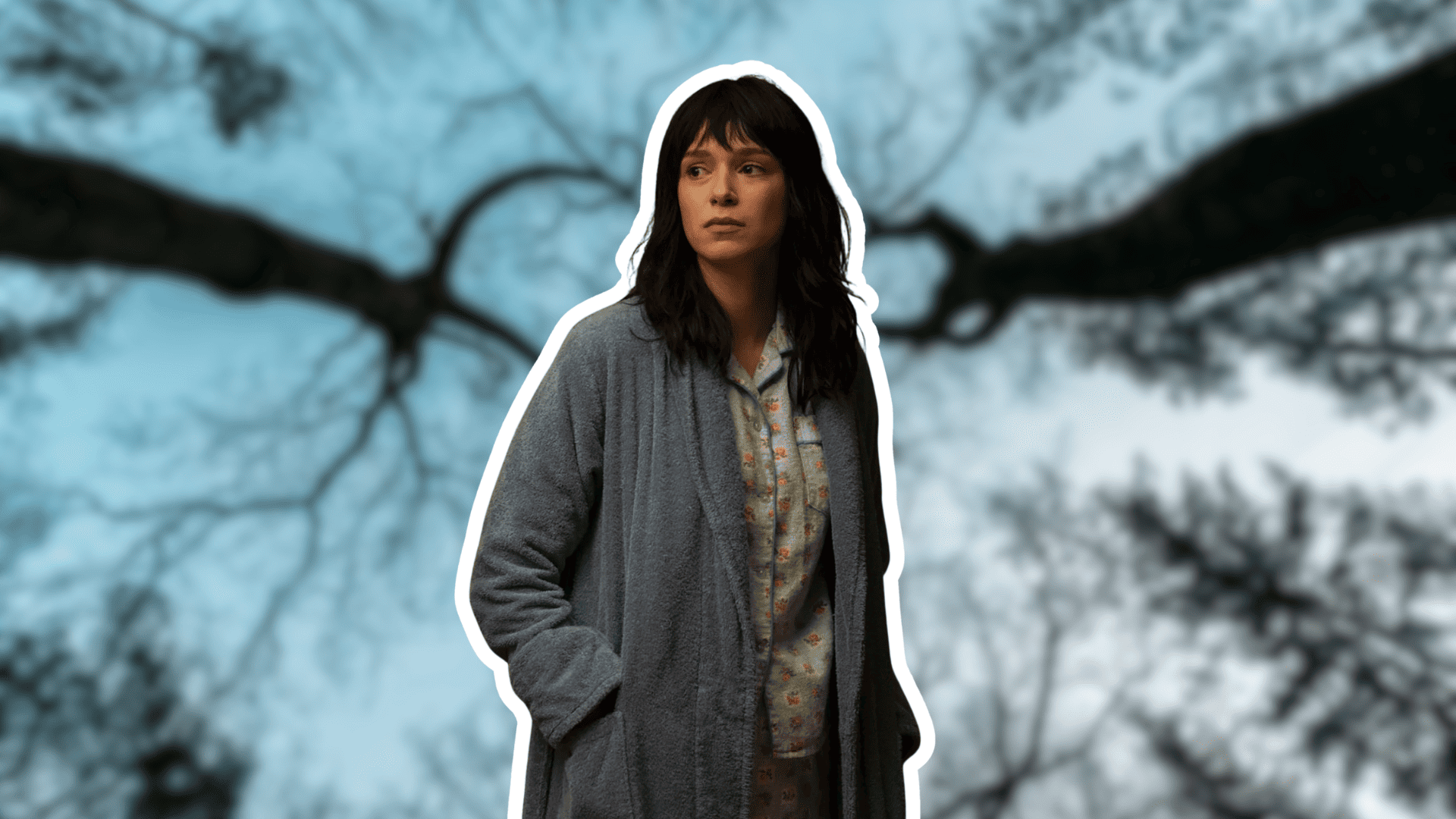
Wendy Torrance is one of horror’s most misunderstood characters. From Stephen King’s original novel to Stanley Kubrick’s famous film, she has created debates for decades.
Many people first saw her as weak and helpless, but modern audiences are finding her true strength.
Wendy Torrance represents something deeper than just a scared wife and mother; she’s a survivor who uses intelligence and determination to protect her family.
Her character has evolved from a simple victim to a complex symbol of resilience. Love her or hate her, there’s no denying that Wendy Torrance has left a lasting mark on horror cinema and popular culture.
Wendy Torrance in Stephen King’s The Shining (1977)
In Stephen King’s original novel, Wendy Torrance is a strong, capable woman who actively protects her family. She’s not just a victim; she notices Jack’s drinking problems early and stands up to his violent behavior.
As Danny’s mother, she shows fierce protective instincts and emotional strength. Her relationship with both Jack and Danny reveals her intelligence and determination to survive.
While literary critics initially focused more on Jack’s madness, Wendy represents the rational voice fighting against supernatural evil.
She makes tough decisions and plays a crucial role in the story’s outcome, proving she’s much more than just a side character. She’s a true survivor.
Wendy (The Shining): How Stanley Kubrick Reimagined Her
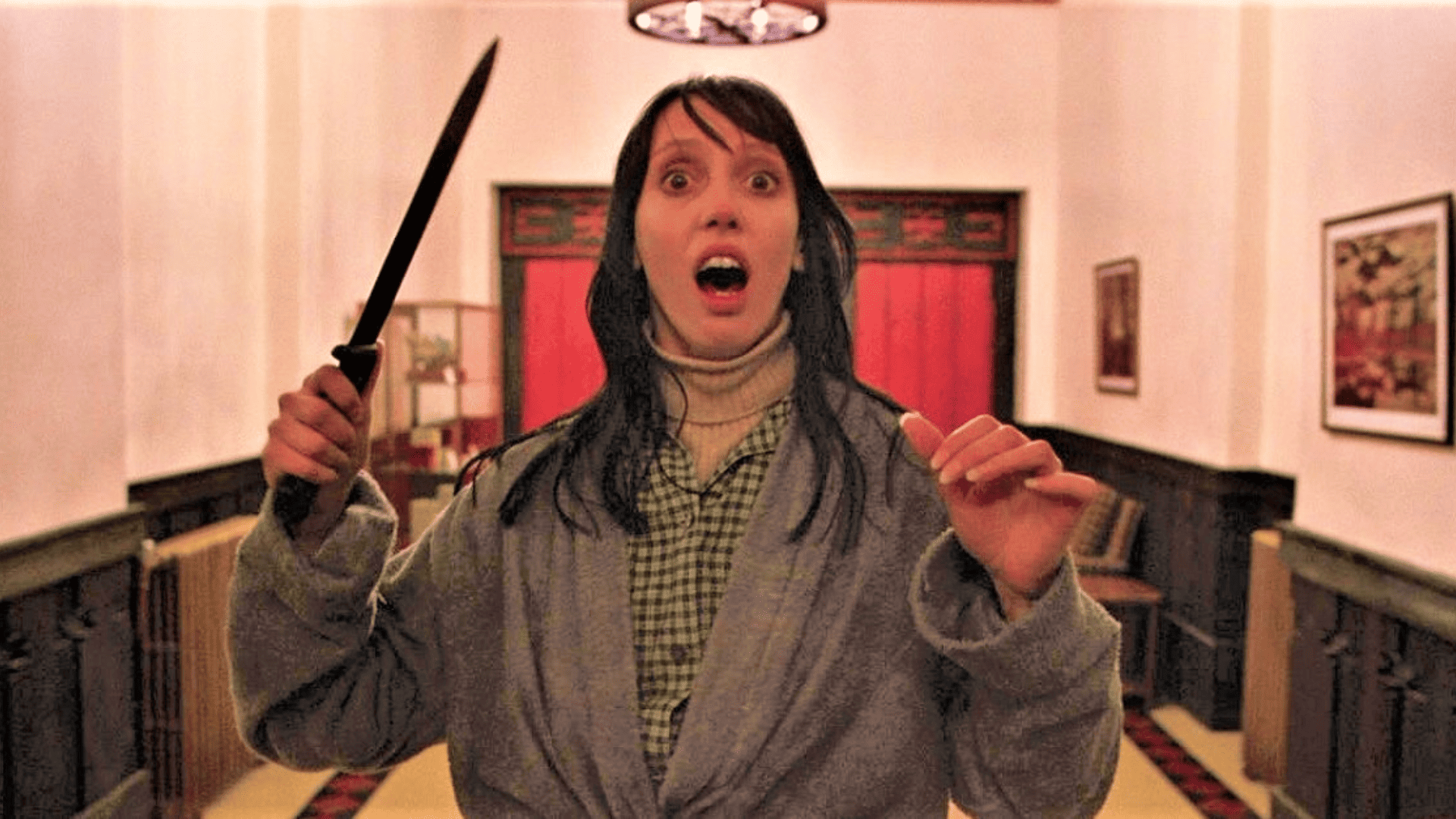
Stanley Kubrick completely changed Wendy’s character for his film adaptation. Shelley Duvall portrayed her as nervous, helpless, and constantly terrified, a portrayal that differed significantly from King’s stronger version.
Kubrick famously treated Duvall harshly on set, forcing dozens of takes to capture genuine fear and exhaustion.
Critics initially dismissed Duvall’s performance as weak and annoying, but modern viewers now appreciate how she realistically showed trauma responses and survival instincts.
Today, many consider her portrayal to be brave and accurate in reflecting how real people react to psychological terror. The dramatic character differences continue to spark debates about women’s roles in horror films.
The Shining Wendy: Character & Resilience Analysis
Wendy’s experience at the Overlook Hotel reveals psychological strength beneath apparent weakness. She begins as a worried wife and mother but becomes a fierce survivor when her family faces danger.
- Her maternal instincts drive every decision she makes to protect Danny.
- She recognizes Jack’s descent into madness earlier than most people realize.
- Wendy uses intelligence and quick thinking rather than physical strength to survive.
- She breaks free from typical “helpless victim” roles by taking action when needed.
Whether in King’s novel or Kubrick’s film, Wendy proves that survival doesn’t always look heroic or dramatic. Her quiet resilience and determination make her a true survivor, not a weak character.
Wendy Torrance’s Significance in Horror and Culture
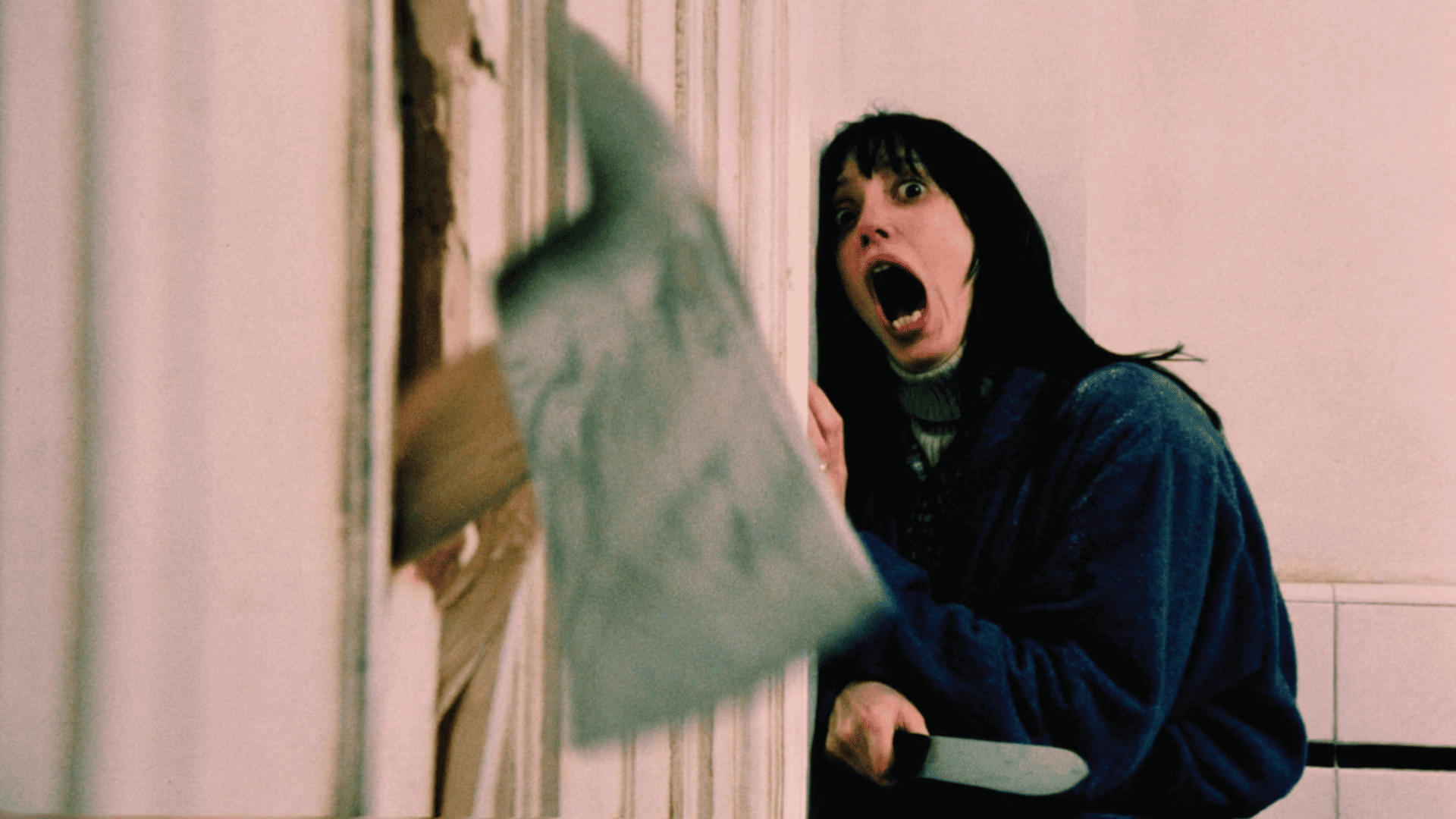
Wendy Torrance has become a powerful symbol of overlooked strength in horror movies. For years, critics dismissed her as weak, but modern audiences see her differently.
As more women have spoken out about abuse and harassment, people are better understanding that Wendy’s fear and trauma responses are realistic reactions, not character flaws.
She represents how women often show strength in quiet ways rather than through violence. Horror movie fans now recognize Wendy as an important figure who paved the way for more complex female characters.
Her maternal instincts and determination to protect her child have influenced many modern horror heroines. Today, she’s seen as a pivotal character who changed how we think about women’s roles in scary movies.
Wendy Torrance in Different Adaptations
Wendy Torrance has been portrayed differently across various adaptations of Stephen King’s work. Each version shows a unique interpretation of her character, revealing how directors and writers view her role.
| ADAPTATION | PORTRAYAL | KING’S VISION ALIGNMENT | THEMATIC FOCUS |
|---|---|---|---|
| Kubrick’s Film (1980) | Emotionally fragile, passive, terrified (Shelley Duvall) | Major departure | Psychological breakdown, isolation, victimhood |
| Miniseries (1997) | Strong-willed, emotionally grounded (Rebecca De Mornay) | Closest match | Inner strength, family, personal resilience |
| Doctor Sleep (2019) | Brief appearance, protective mother | Limited but respectful | Maternal care, legacy, survival influence |
These adaptations show how one character can tell different stories depending on who’s behind the camera. Each version of Wendy reflects changing ideas about women’s strength and survival in horror films.
Wendy Torrance in Pop Culture and Fan Communities
Wendy Torrance has grown from a movie character into a beloved icon among horror fans. Her popularity extends far beyond the original film and book.
- Horror fans create countless memes featuring Wendy’s most memorable scenes and expressions.
- Fan theories explore her hidden strengths and alternative interpretations of her actions.
- Cosplayers dress up as Wendy at conventions, recreating her iconic looks from the movie.
- Academic scholars write research papers analyzing her role in horror cinema and feminism.
- Artists create tribute artwork, posters, and collectible items celebrating her character.
Today, Wendy represents much more than just a character from The Shining. She’s become a symbol of survival and resilience that continues to inspire new generations of horror fans.
That’s a Wrap
Wendy Torrance has proven she’s much more than just Jack’s wife or Danny’s mother. From King’s strong original character to Kubrick’s controversial portrayal, she continues to inspire new discussions about women in horror.
Her influence can be seen in modern horror heroines and ongoing cultural debates.
As audiences continue to reassess her role, Wendy Torrance remains a pivotal figure who challenges our notions of strength, survival, and motherhood.
Her legacy in horror cinema is undeniable and continues to grow with each new generation of fans. What’s your take on Wendy Torrance? Share your thoughts in the comments below and join the conversation!